




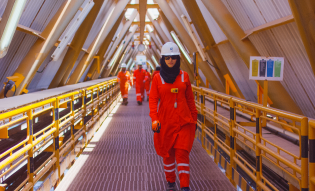

Progress Powered by Purpose: What is Sustainability in 2026?
Ahead of this year’s Abu Dhabi Sustainability Week, Eiman Al Awadhi and Abeer Al Ateibi from ADNOC’s sustainability function, and Nada Abujarad, an ADNOC Upstream environment engineer, discuss sustainability in practice

Abu Dhabi, UAE – January 12, 2026: More than 18 million tonnes of carbon dioxide (CO₂) equivalent reduced in operational emissions since 2022. Some 23,000 private sector jobs created for UAE Nationals. Nearly $83.7 billion returned to the UAE economy. And the deployment of more than 200 coral reef structures and nesting platforms to safeguard marine life and biodiversity for future generations.
These are just a handful of ADNOC’s latest sustainability highlights. Yet when asked which matters most, Eiman Al Awadhi, Vice President Sustainability & ESG, immediately replies that focusing on any single figure misses the point.
“There isn’t a single element that matters more than the others,” Eiman explains. “Sustainability is defined by a comprehensive approach. If we focus on one dimension in isolation, we miss the essence of what sustainability truly is. “It has to be holistic – decarbonizing our operations, strengthening environmental stewardship, delivering tangible socio-economic value through In-Country Value and Make it in the Emirates programs, and ensuring strong governance. Each of these pillars reinforces the other, and together they define a sustainability strategy that is inclusive, integrated, and ultimately impactful.”
Her thoughts are echoed by colleague Abeer Al Ateibi, Manager, Sustainability Programs and Performance at ADNOC.

“Those highlights present measured progress, not aspirations,” adds Abeer. “They show how sustainability is embedded in operational excellence and value creation within the company and beyond, such as the contribution to national development.”
ADNOC’s approach to sustainability – shaping how systems operate across energy, finance, technology, and society – is one that is reflected in the theme for this year’s Abu Dhabi Sustainability Week (ADSW): The Nexus of Next – All Systems Go.
ADSW began in 2008, with this year’s edition at ADNEC in the UAE capital city running until Thursday, January 15. Both Eiman and Abeer believe the event enables ADNOC to showcase ‘Progress Powered by Purpose’ – its core theme for driving sustainable growth. And that ADSW provides a platform for partners to join ADNOC in shaping solutions that drive long-term value and deliver positive impact not only for the UAE but the world.
“Sustainability is embedded in the DNA of ADNOC,” says Eiman. “Everything we do here in ADNOC is serving the UAE, it is about being the backbone of the UAE, as well as to deliver responsible energy for the world.
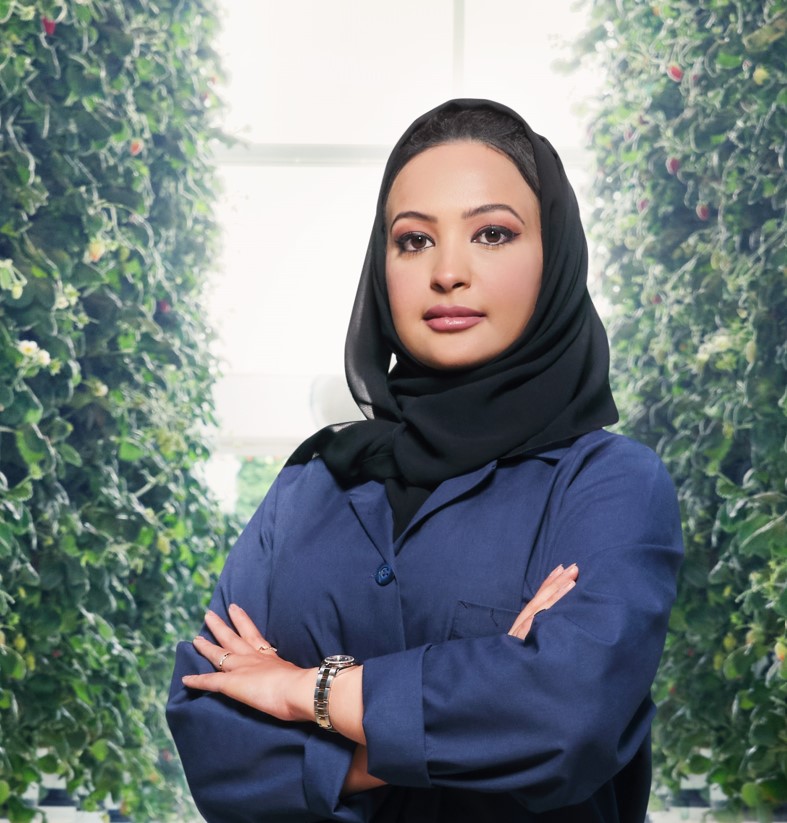
“Whether you're coming from the finance sector, communications, a socioeconomic standpoint, from general services: we are all working towards the same goal of creating positive impact for the UAE and beyond. Sustainability is integrated in all aspects of our operations, be that upstream, downstream, business, or community support.”
Beyond highlighting ADNOC’s achievements at ADSW –“because many people will be visiting the ADNOC booth” – success from the event for Eiman is learning from other key attendees.
“I'm keen to know what others are doing in the sustainability space,” she says, “and how they are reacting to global dynamics, especially when it comes to AI and geopolitics.”
With energy systems evolving, Abeer adds that ADSW enables ADNOC to promote how it is accelerating progress, creating value and maximizing positive impact.
“Abu Dhabi Sustainability Week represents a moment where strategy, execution, and collaboration converge to move forward,” says Abeer. “It's a chance to share where we stand, exchange knowledge and insight, and help shape practical solutions to drive impact.
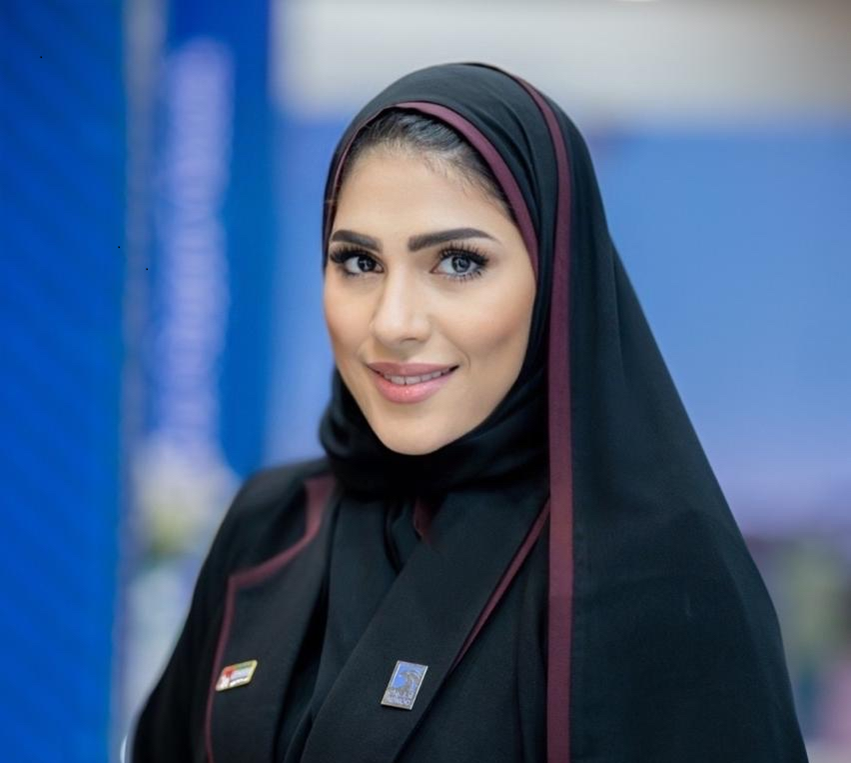
“Sustainability is a core driver of performance, competitiveness, and trust. It drives resilience and strengthens our stakeholders’ confidence. Most importantly, I would say it shows that ADNOC cascades solutions, influences value chains, and delivers results that matter environmentally, economically, and socially.”
That integrated approach is perhaps best illustrated in Hail and Ghasha, a pioneering project in the Arabian Gulf, which leverages innovative decarbonization technologies.
Hail and Ghasha aims to capture 1.5 million tonnes per year of CO₂, while the low-carbon hydrogen produced will serve as a cleaner alternative to fuel gas and further reduce emissions. The project will also harness clean energy from Abu Dhabi’s electricity grid, utilizing both nuclear and renewable sources. But beyond driving development, Hail and Ghasha is about environmental stewardship and protecting the UAE’s beautiful biodiversity.
Nada Abujarad is an ADNOC Upstream environment engineer who joined as a graduate in 2019 and traces her own journey in sustainability to when she was selected as environmental ambassador in grade six at school. Nada is passionate about ADNOC’s work, alongside the Environment Agency – Abu Dhabi (EAD), to protect nature and biodiversity at Hail and Ghasha.
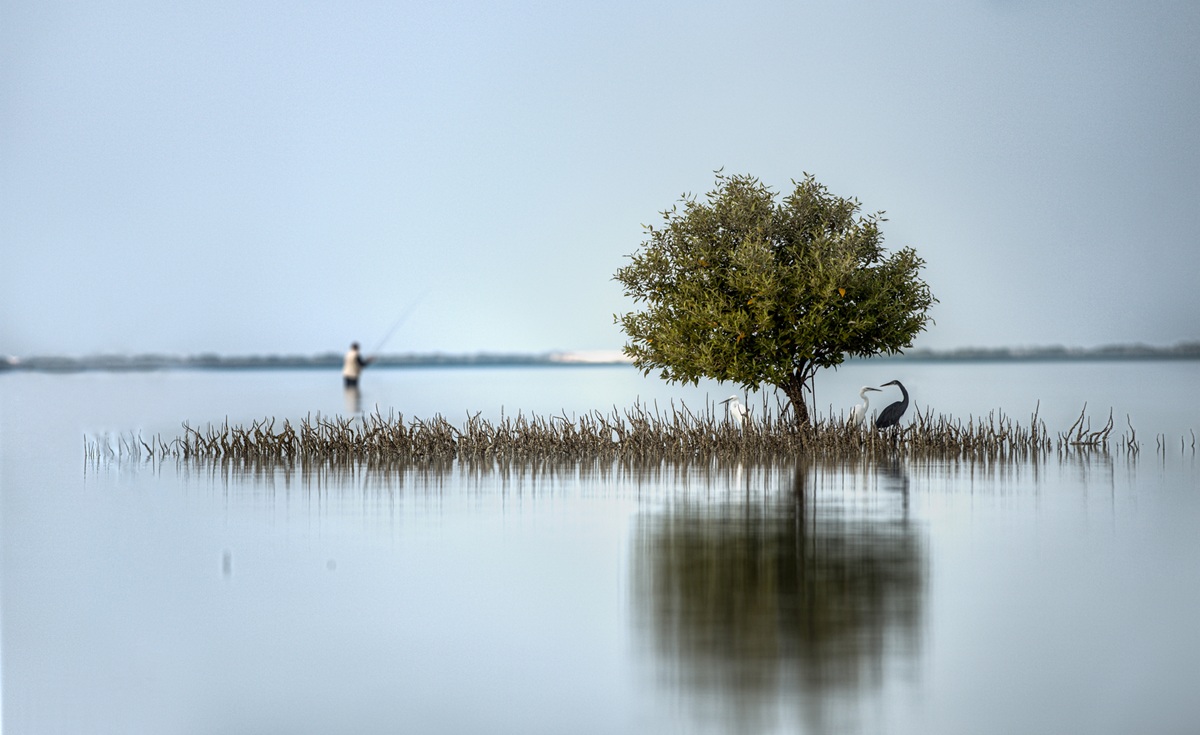
Work includes implementing and developing a comprehensive environmental monitoring program, the planting of one million mangroves, and the deployment of artificial coral reef structures to enhance the marine ecosystem in the area.
In collaboration with EAD, a turtle conservation program saw the release of some 50 rehabilitated turtles in 2025. Satellite tags monitor their movements in the wild, providing researchers valuable insight into living, breeding and nesting patterns. Some, smiles Nada, have even been tracked swimming as far as Qatar and Oman.
“The work we’ve done gives you the motivation to do even more,” says Nada. “At Abu Dhabi Sustainability Week this year, I’m most looking forward to showcasing the successful story of Hail and Ghasha. It’s a flagship initiative – not just in the UAE but globally and deserves to have light shed upon it.”