



Abu Dhabi Refinery: Where Fuel was Refined and a Family Forged
Inaugurated by the Founding Father of the UAE, the late Sheikh Zayed bin Sultan Al Nahyan, Abu Dhabi Refinery has a special place in the nation’s success story. Khaled Alkatheeri, Metaab Al Sadid and Jawaher Al Mehairi share their memories, as Hazza Al Blooshi recalls its successful decommissioning
Abu Dhabi, UAE – November 17, 2025: Distinctly visible on the right when driving over Sheikh Khalifa Bridge towards the city center, the now decommissioned Abu Dhabi Refinery was a familiar sight for many in the UAE.
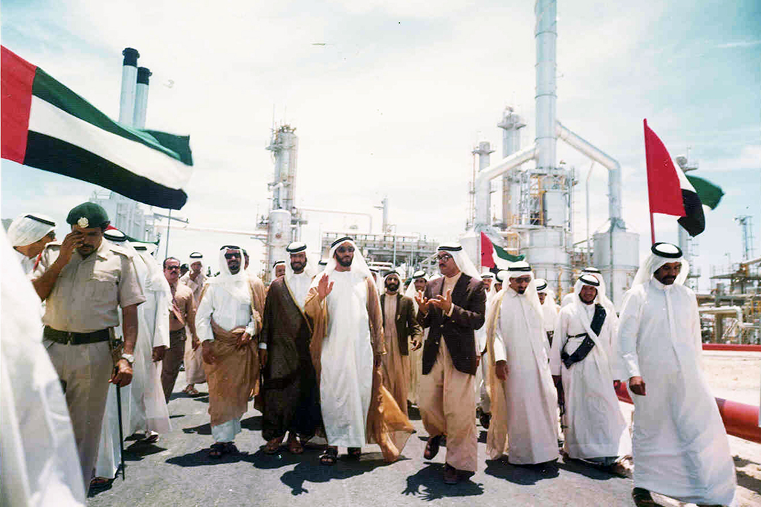
But for Khaled Alkatheeri, Metaab Al Sadid and Jawaher Al Mehairi, it was more than that – it was home. The story of Abu Dhabi Refinery on Umm Al Nar Island – aptly meaning Mother of Fire in Arabic – began in 1976 after its inauguration by the Founding Father of the UAE, the late Sheikh Zayed bin Sultan Al Nahyan.
At its peak, Abu Dhabi Refinery processed 85,000 barrels of crude oil per day, playing a critical role in meeting demands from ADNOC’s partners worldwide. It was shut down with zero flaring in 2022, following ADNOC’s decision to focus its downstream strategy on the Ruwais refining and petrochemical complex. The land where the refinery proudly stood has now been repurposed according to Abu Dhabi's future needs. Ask Khaled, Metaab and Jawaher for their Abu Dhabi Refinery memories and one word is used by each – “family”.
“I grew up in it,” says Khaled, who joined ADNOC Processing Directorate at 23 in 1993 as an electrical technician at the refinery, before progressing to lead the maintenance team until retirement in December 2020. “At certain points, I used to call it my first home. Our vice president always told us, ‘Refinery family, family, family, family’. It became family. I have so many dear friends I worked with and I’m still in contact with. The refinery was not just a refinery to process crude oil and that’s it – no, it was a life for me. For all of us, it is engraved in our hearts.”
Jawaher was advised by her father that if she really wanted to learn engineering, then the refinery was the best place. She arrived as an intern in summer 2010 before joining the graduate program the following year. Now a team leader for ADNOC Refining in process engineering, she worked closely with the operations team at the refinery.
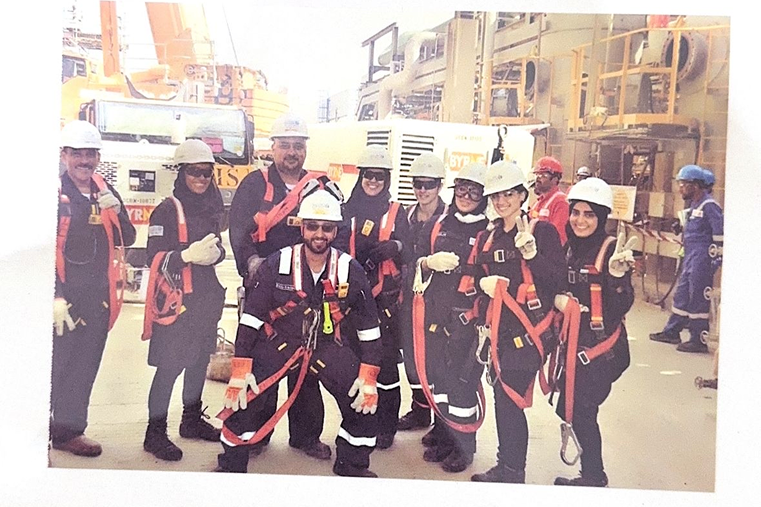
With Abu Dhabi Refinery in the city itself, the standards followed there were exceptionally high, says Metaab, who transferred from Ruwais Refinery in 2005 as a senior mechanical engineer and ascended to the role of maintenance manager.
“The strong team spirit at the refinery was remarkable,” Metaab says. “There was a genuine sense of unity among the technical and administrative staff, akin to a family.”
Everything, he adds, was driven by a shared goal: ensuring 24/7 production at Abu Dhabi Refinery while strictly adhering to the highest standards of health, safety and environmental protection.
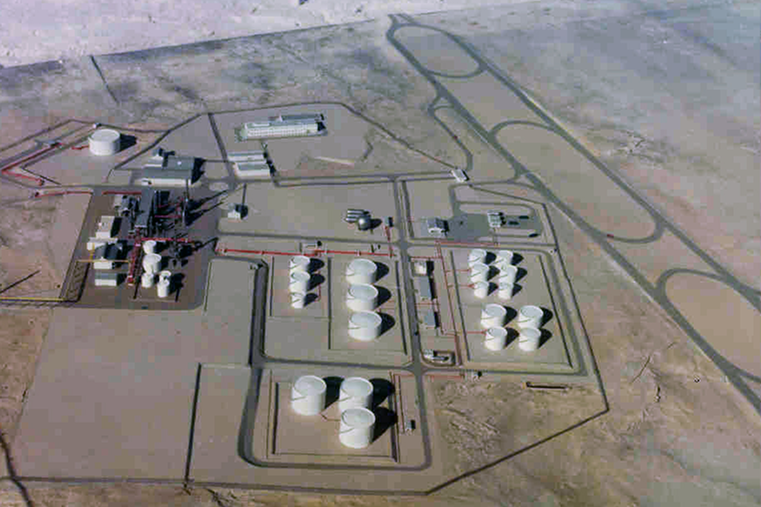
“We worked until the middle of the night to ensure a reliable and continuous refinery operation,” Metaab says. “Every year we had a shutdown, otherwise, we always had to be running.”
There was good reason for that. Aviation fuel production, primarily Jet A-1, played a vital role in supplying Abu Dhabi International Airport and other aviation hubs worldwide. At times, says Khaled, it felt that they were “sending Abu Dhabi to the world”.
He adds: “We almost felt like we were driving the economy because of this product. And not only jet fuel, but LPG production to every household was vital for cooking fuel. It was so critical because the refinery was producing two essential products to the economy.”
And most importantly? “In good times, bad times or in crisis times, these products never stopped or changed in quality,” says Khaled.
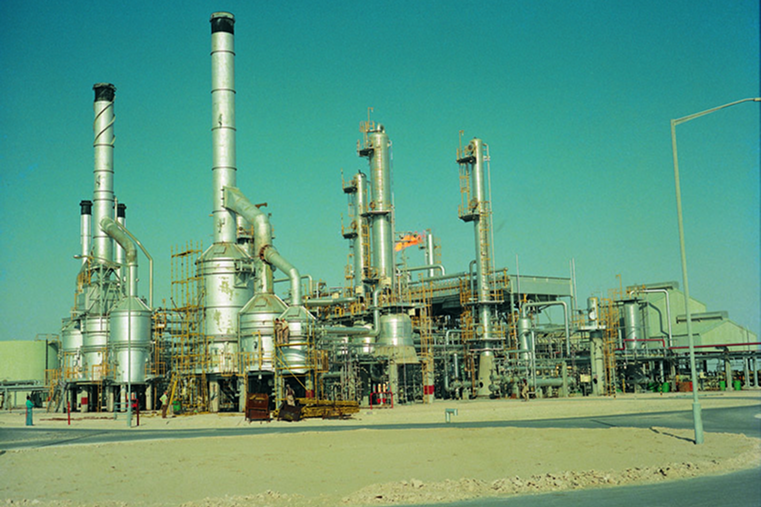
The decommissioning of Abu Dhabi Refinery involved the dismantling of the refinery structure, and the safe and environmentally friendly demolition of storage tanks, buildings, foundations and buried lines. The refinery’s processing units are being refurbished and reassembled for reuse at a location within the UAE. At the new site, the refinery will continue its working life and provide local employment for more than 240 specialist staff.
While Khaled, Metaab and Jawaher have special memories of Abu Dhabi Refinery as a functioning asset, Hazza Al Blooshi’s come solely from decommissioning. Starting on July 1 last year, Hazza, a projects coordinator with ADNOC Refining, took on what he describes as “a big project with a unique aspect”. As an example, some of the work involved lifting 200 tons worth of equipment, which required huge cranes specifically brought in for the task.
Key, however, says Hazza, was ensuring that the land was free of hydrocarbons and all validations for soil samples met both UAE and global environmental guidelines.
“I am very proud that we successfully handled the plant for the government, the future development of Abu Dhabi City and the future of the nation,” says Hazza. “I only joined at the point of demolishing the refinery – but it’s a story I will pass on to my family.”