




Bridge Between Nations
As Expo 2025 Osaka marks UAE Day, ADNOC Youth Ambassador Abdulla reflects on the values and cultural synergies that his nation shares with Japan
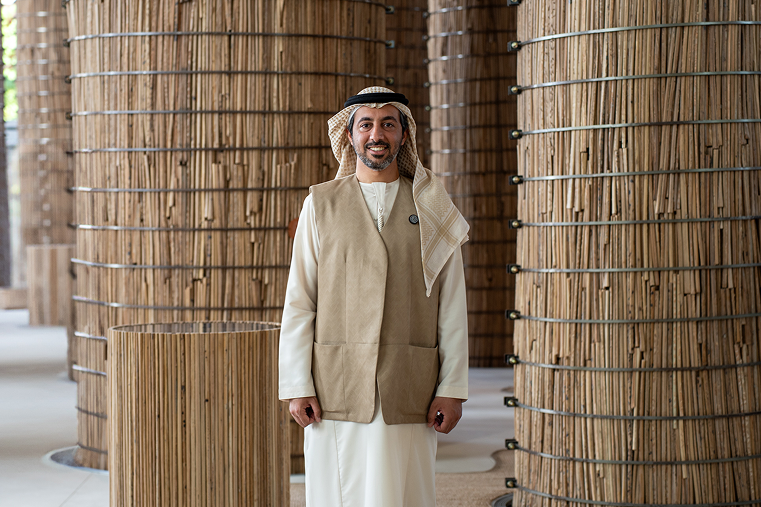
When offered the opportunity to become a Youth Ambassador at the UAE Pavilion at Expo 2025 Osaka in Japan, ADNOC employee Abdulla Ahmed Khalifa Al Suwaidi embraced the chance to share the UAE’s story while reconnecting with his “second home”.
For Abdulla, a Business Development specialist, representing the UAE and ADNOC in Osaka represents more than a professional duty – it’s the continuation of a personal journey.
Abdulla’s connection to Japan was sparked by a love for the country’s vibrant animation. “Growing up in Abu Dhabi, I was hooked by anime’s energy … But what stayed with me was the language,” he says. “It sounded like music.”
As his interest deepened, Abdulla studied Japanese as a hobby before enrolling in formal classes offered by a Japanese energy company. In 2009, he moved to Japan, spending six years in full-time education.
“I had never planned to live in Japan,” he says. “But when the opportunity came, I grasped it. And it changed my life.” Abdulla brings his trilingual cultural fluency – he speaks fluent English, Japanese and Arabic – and international perspective to his role with ADNOC, where he helps shape global commercial relationships in Asia.
In his secondment as Youth Ambassador, Abdulla guides visitors through the UAE Pavilion’s immersive zones; from the “Roots of Nation” heritage exhibit to the ADNOC-sponsored “Stewards of Sustainability”. Designed as a striking oasis of 90 palm-inspired columns, the pavilion has become a symbol of cultural fusion and sustainability.
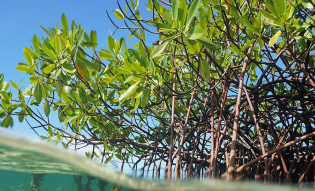
“When guests enter the sustainability zone, I show them how the UAE is using the desert to harness solar power,” he says. “I explain how ADNOC is planting over 10 million mangroves [by 2030], and working with Japan on clean fuels like hydrogen and low-carbon ammonia.
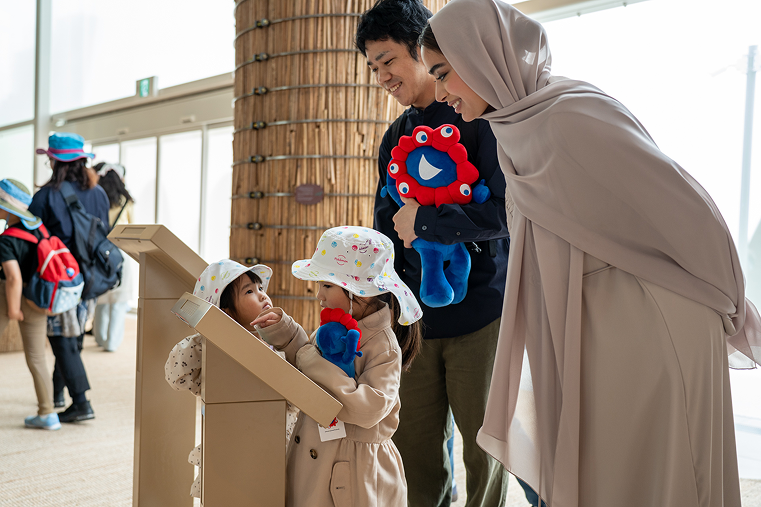
“We’re also telling stories about who we are, where we come from, and where we’re going.”
The story of ADNOC in Japan is a powerful one. The energy partnership with Japan began in 1961, when Abu Dhabi shipped its first crude oil to Japan. By 1962, formalized commercial ties with Japanese buyers had been arranged, responding to Japan’s mid-century industrial boom and its growing demand for reliable energy.
Building on these strong ties, Abu Dhabi made a symbolic appearance at Expo 1970 in Osaka; a significant moment in the emirate’s international outreach. These early exchanges laid the foundation for an energy partnership that now touches many aspects of daily life in Japan.
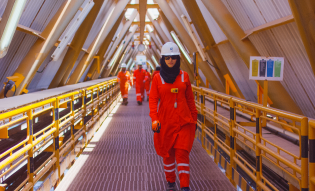
Japan’s Agency for Natural Resources and Energy reported that in June 2025, the UAE supplied 52.1% of the country’s total crude oil imports. When refined, it’s enough to fuel every passenger car in Japan, about 75 million vehicles, for over two weeks.
Gas is an important part of relations. ADNOC’s first Liquefied Natural Gas (LNG) shipment from Das Island in 1977 was to Japan and in 2024, ADNOC Gas supplied 842,000 tonnes of LNG to major utilities in the country. This generates enough electricity to support the equivalent of 1.38 million homes.
The integration is about more than numbers, it’s a reflection of shared values, mutual trust and cultural synergies. One of Abdulla’s favorite rituals is the daily matcha tea ceremony, which mirrors Emirati hospitality. “The way matcha is served, with care and intention, is so similar to how we serve Arabic coffee and dates,” he says.
He also notes similarities of how both cultures sit during the ceremony, the reverence with which the bowl is held, and the tradition of drinking in three sips. The practice is shared in both Emirati coffee etiquette and the Japanese tea ceremony.
“It’s these small, thoughtful gestures that show how much our cultures have in common,” Abdulla says. “When I speak to Japanese guests in their language, their eyes light up … it breaks down barriers. It builds trust.”
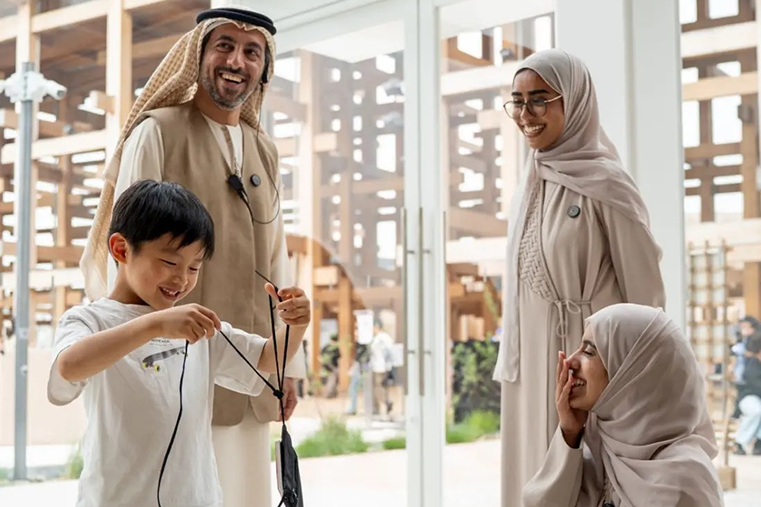
The UAE-Japan cultural connection is resonating with Expo visitors. As of August, the UAE Pavilion had welcomed over 3 million visitors since opening in April, including more than 250,000 in its first two weeks, making it one of the most visited national pavilions. Today, September 19, marks UAE Day at Expo 2025 Osaka, in what will be an eagerly anticipated day of celebration.
“Some guests came back eight times a month,” Abdulla says. “They tell us, ‘This is what Expo should be – real people, real conversations’. That’s the best feedback we could ask for.”
Even on his days off, Abdulla often returns to the UAE Pavilion. “It doesn’t feel like work,” he says. “It feels like home. I’m proud to represent ADNOC, proud to represent the UAE. And I know this experience, this bridge we’re building, will last long after the Expo ends.”